Dialogue Across Different Ways of Knowing
We have a hunch that what is keeping some youth excluded is the inability of the mainstream to learn from them. When the mainstream becomes an echo-chamber, people ignore frictions in the system and deny other ways of knowing (for more on this, see discussions of epistemic injustice).
Category:
Work In Progress
Author:
Josina & Audun
Location:
Asker, Bærum & Trondheim
Date:
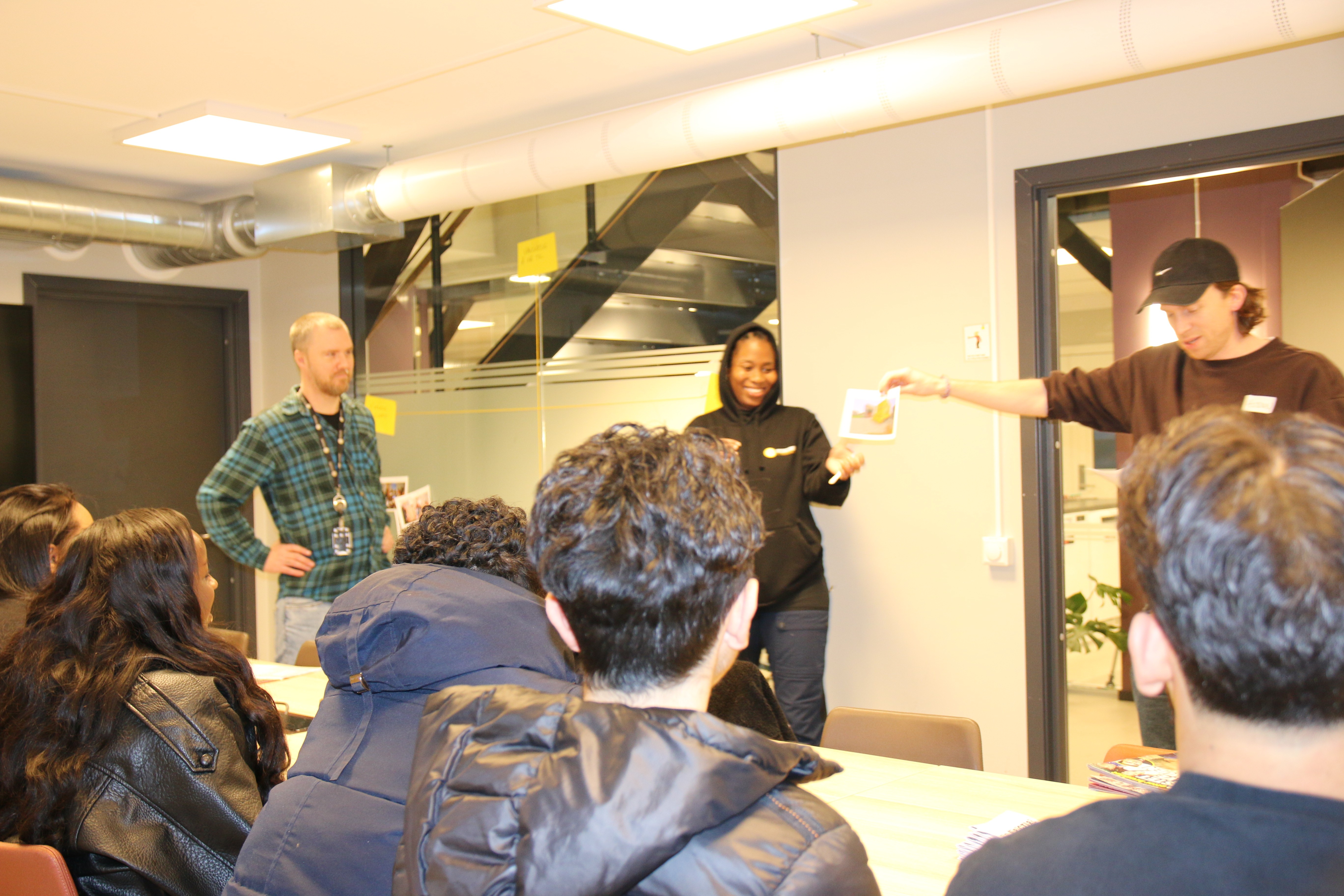
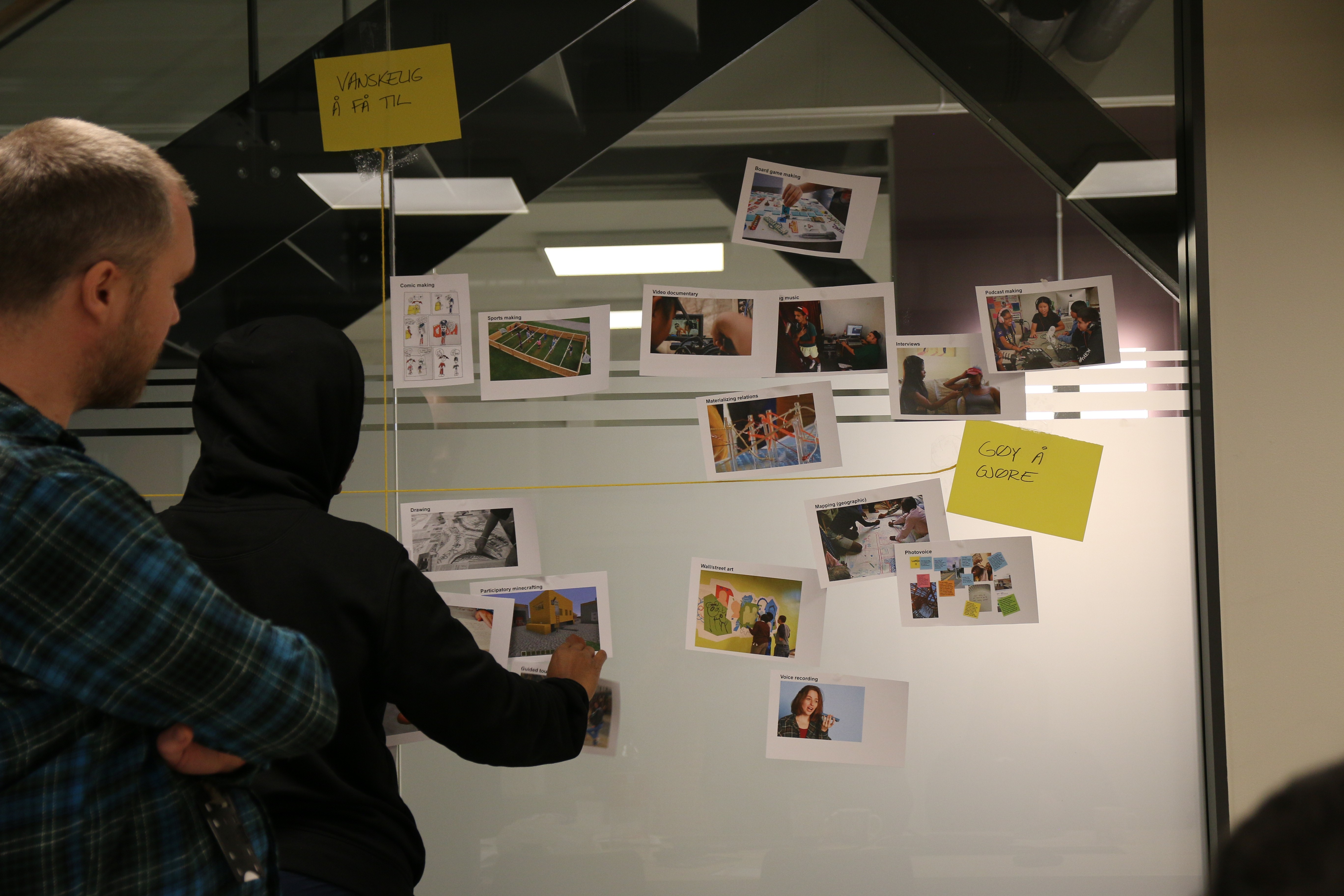
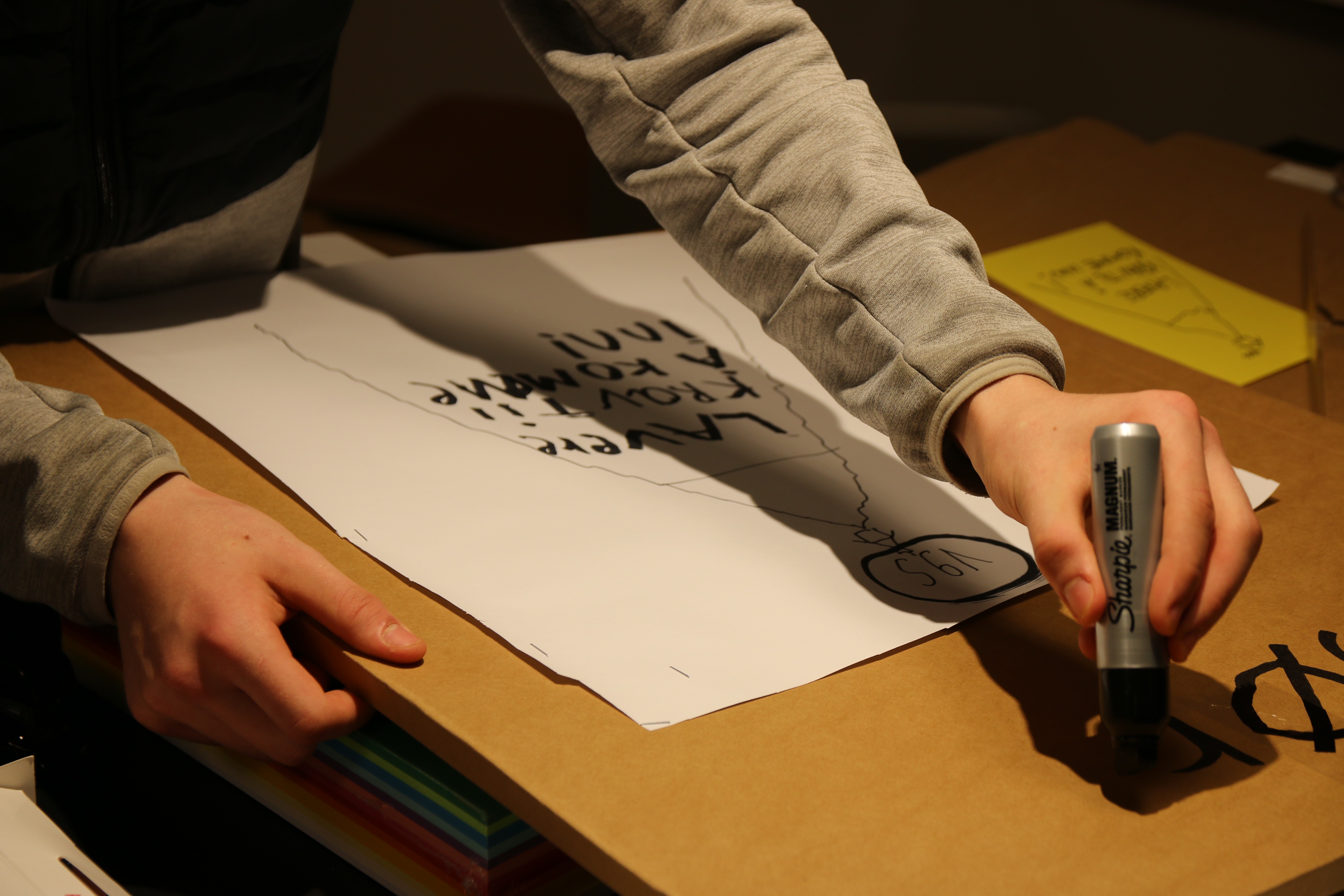
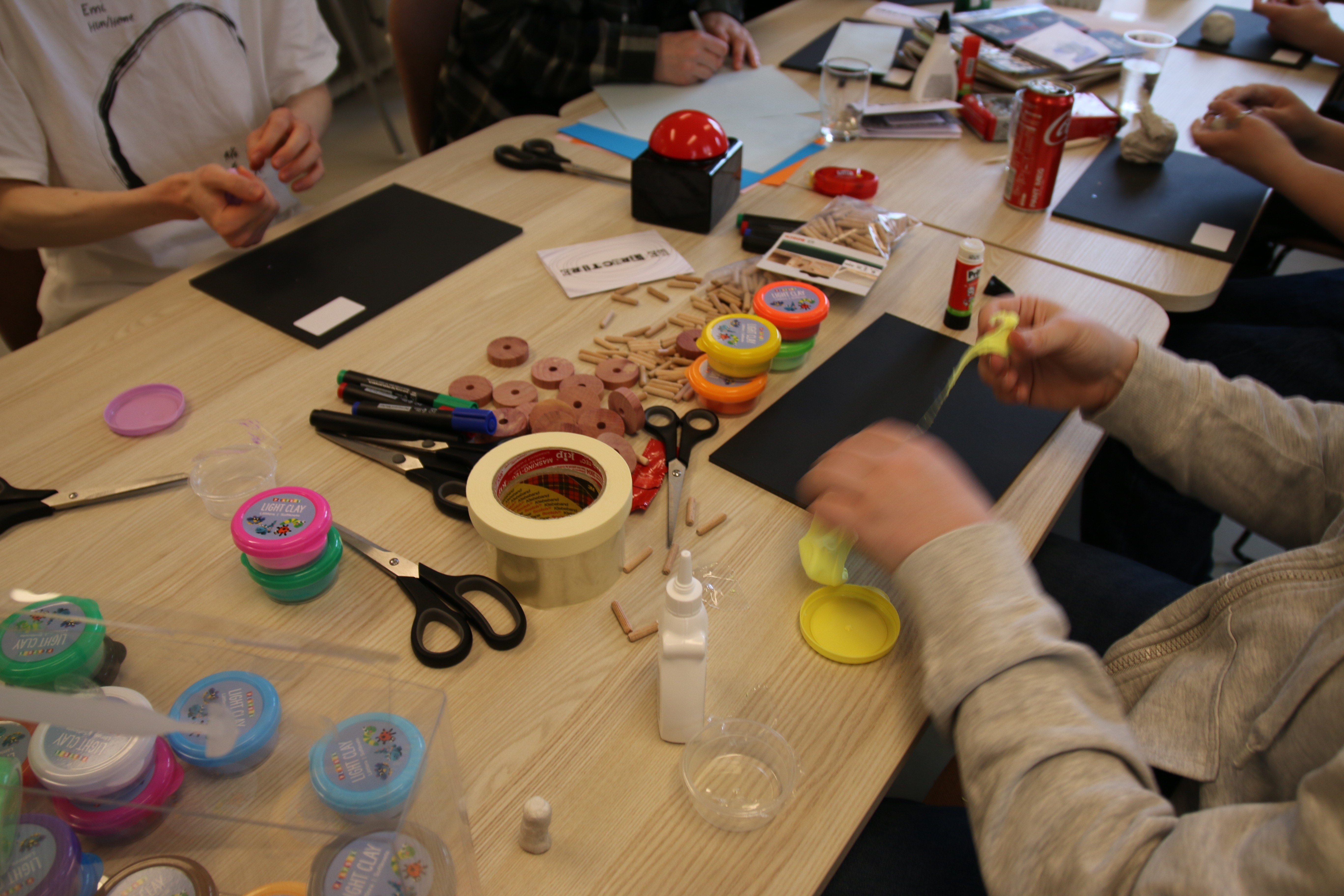
Youth at the margins have deep knowledge about the system failures that we need to attend to. We think that system transformation toward radical inclusion comes through generative tensions when engaging with marginalized ways of knowing. With this in mind, our municipal partners—Bærum, Asker & Trondheim—are hiring over 50 youth with different backgrounds, identities and experiences to join our collective inquiry this spring as co-researchers. These are not young people we are doing research on, these are young people that we are doing research with. Based on their lived experiences and close knowledge of the system, these youth co-researchers are helping to identify structures that need to change within municipal services to prevent exclusion. Within eight different groups facilitated by local service providers and supported by AHO service design students, young people are using different creative methods, based on what interests them, to explore the following questions: - In what situations do young people experience “insiderness”? And when do they experience “outsiderness”? - How do public services affect these situations of insiderness and outsiderness? - Which ways of speaking, thinking, and acting within public services cause young people to experience social exclusion? Some youth co-researcher groups have chosen explore these questions by making a podcast. Others are visualizing their experiences through comics or collage. Another group of youth is making a hip hop album. Our ambition is not to take the knowledge they build and flatten it into a report to fit into the current ways of knowing within the mainstream system. Instead, we’ll be bringing system actors into direct conversation with what these youth create and the structures they identify, to reflect on what they might do differently. Together, we’re exploring how public service systems can better tune into these many ways of knowing, especially those that are often dismissed or ignored, but are so desperately needed to strengthen these systems for everyone. These youth co-researchers have a lot to say about how today’s systems are failing them and what inclusion really looks like. Now it is our turn to listen—past our own defenses, setting aside our assumptions and prejudices, and with a willingness to be transformed by what we see and hear and feel.






FUNDED BY: